Sudoku: three techniques that carry you a long way
Scanning, single candidates and pairs, explained without jargon.
No sums are needed for sudoku at all. Swap the digits for letters or colours and nothing changes, since the one requirement is that every row, every column and every three-by-three box contains each of the nine symbols a single time.
Scanning
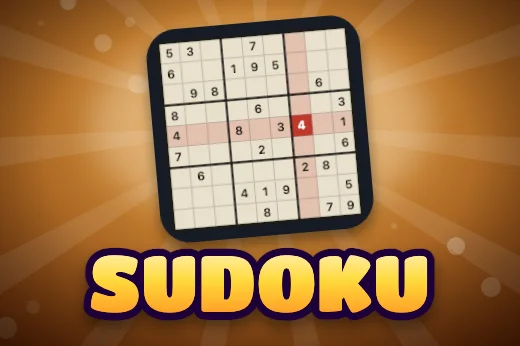
Take a digit and note where it already appears. Each copy blocks its own row, column and box. In a box still missing it there is frequently a single cell that none of those lines touch, and that is its home.
Single candidates
Flip the question and study one empty cell. Note the digits already in its row, column and box; if eight of nine are present, the ninth is settled. Gentle and middling grids fall to scanning and this step alone.
Pairs
When two cells in one row, column or box can each take only the same pair of digits, that pair is reserved. Strike both from every other cell in the unit and fresh lone candidates tend to surface.
After those three turn second nature, a daily grid is a pleasant routine to keep, while Kakuro layers arithmetic on top of the very same reasoning.